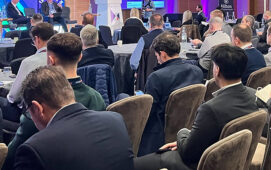
Last week’s A-Team Group Data Management Summit was a cracking event that discussed everything from creating value from data to navigating the changing regulatory landscape, improving data governance and quality, client onboarding, big data, data visualisation and more. Markets in Financial Instruments II (MiFID II) was also on the agenda, with panel sessions reviewing the regulation’s requirements and transparency obligations, and executives from the Derivatives Service Bureau (DSB) and the Global Legal Entity Identifier Foundation (GLEIF) providing updates on how ISINs will be issued and priced for OTC derivatives, and how the LEI will play its part in compliance.
Hundreds of data practitioners joined the summit to listen to keynotes from Hany Choueiri, head of data governance and strategy, EMEA, at State Street; Jean Panagamuwa, director of data analysis and data management at Capital One; and Peter Moss, CEO at the SmartStream Reference Data Utility. Delegates also took part in interactive panel sessions, audience polls, presentations and plenty of networking during breaks and a post-event drinks reception.
If you missed the event, you can catch up on the highlights in our review of the day, or join our next Data Management Summit in New York City on 4th April at Convene in the financial district.
Keynote speakers and presenters at the New York City summit include Inderpal Bhandari, global chief data officer (CDO) at IBM, who will discuss how to enable a cognitive enterprise; Michael Vapenik, data governance officer at American Express, who will talk about developing a data driven organisation; and Kurt Gilman, an independent consultant, who will review innovation in machine intelligence.
Panels packing a punch include harnessing data and creating value, the data management response to a volatile and uncertain regulatory landscape, data governance, lineage and quality to meet regulatory requirements, and an innovation session looking at how emerging technologies can be used for data quality and to gain greater insight into systems and markets. Throughout the summit, and during a closing drinks reception, there will be plenty of opportunities to network with peers, talk to speakers and review the event.
Subscribe to our newsletter