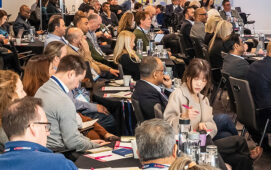
Issuers and shareholders have been disintermediated from each other and this has resulted in a requirement for the introduction of a framework for shareholder communication and cross border voting, according to Dorien Fransens, secretary general of EuropeanIssuers. Speaking at last week’s gathering of the European issuer community, organised by Aktienforum and EuropeanIssuers, Fransens elaborated on the need for greater standardisation in the corporate actions world.
“We see it as our duty to find practical and, where necessary, legal ways to make this relationship work again,” Fransens explained to the issuer delegation. “How can you communicate with your shareholders if you don’t know who they are?”
This endeavour entails the standardisation of issuer and shareholder identification, so that companies can identify their shareholders, said Fransens. However, she acknowledged that this would not be an easy task, given the increased complexity of financial instruments and the growth of short selling and stock lending, which allow “empty voting” at shareholders’ meetings.
“Shareholders deserve more efficient voting procedures,” Fransens contended. Foreign ownership of shares is growing but the cross border exercise of corporate rights is hampered by technical and legal obstacles, she said. Securities are held in accounts with financial intermediaries located in various countries and there is often a lengthy chain of intermediaries between the shareholder and the company.
However, Fransens is hopeful that pending market standards on general meetings and an upcoming legislative proposal will prompt intermediaries to form the bridge between companies and shareholders. Regulatory intervention and market standardisation will therefore push forward change as a result of the financial market crisis.
Markus Fichtinger, Aktienforum’s managing director, added: “We truly believe that it will be the entrepreneurial spirit of companies that will bring us out of the economic downturn ultimately. Policy action might help, or might not, it might ignite or choke economical potential, but at the end of the day it will be the companies to transpose this potential into real economic value, supported by investors committed to long term value creation. This is our common vision of the new financial architecture after the crisis.”
Subscribe to our newsletter